City of Cetinje Montenegro Discover the Royal Capital
City of Cetinje Montenegro Discover the Royal Capital
City of Cetinje Montenegro Discover the Royal Capital and the Soul of Montenegrin History
Cetinje Where Royal Heritage, Mountain Landscapes and Timeless Traditions Meet
Some destinations impress you with their beaches. Others captivate you with dramatic mountains, lively promenades or medieval streets. And then there is Cetinje is a City that invites you to slow down, look closer and discover the story of an entire nation.
Welcome to Cetinje, Montenegro’s historic Royal Capital, where the legacy of Montenegro Kings and princes lives on in former royal residences, historic embassies, fascinating museums and quiet streets that seem to belong to another era.
While Budva attracts visitors with its beaches and nightlife, and Kotor enchants travellers with its medieval Old Town and spectacular bay, Cetinje offers something different and an intimate encounter with Montenegro’s history, culture and identity.
For travellers who appreciate history, architecture, nature and authentic local experiences, Cetinje is one of Montenegro’s most rewarding destinations.
At IL NAUTICS Lux Limo Serivce, we believe that discovering Montenegro means looking beyond its most famous attractions. Cetinje is a perfect example of a place that deserves far more attention than it often receives.
City of Cetinje is The Royal Capital of Montenegro
Nestled beneath Mount Lovćen, Cetinje holds a special place in Montenegro’s history.
Founded in the 15th century, the city became the historical centre of Montenegrin political, religious and cultural life. During the reign of the Petrović Njegoš dynasty, Cetinje developed into the capital of the Montenegrin principality and later the Kingdom of Montenegro.
Despite its relatively small size, Cetinje once hosted foreign diplomatic missions, royal residences and important state institutions. Its former embassies and historic buildings remain reminders of a time when this mountain town served as the diplomatic heart of a proud and independent kingdom.
Today, Cetinje is recognised as Montenegro’s Old Royal Capital. Its streets, museums and architectural landmarks offer visitors an opportunity to understand the country’s history in a way that goes far beyond a conventional sightseeing tour.
The atmosphere is noticeably different from that of Montenegro’s busy coastal resorts. Life moves at a gentler pace, allowing visitors to explore without rushing from one attraction to the next.
Cetinje is not simply a place to visit. It is a place to understand Montenegro.
The Former Embassies is A Glimpse into Royal Montenegro
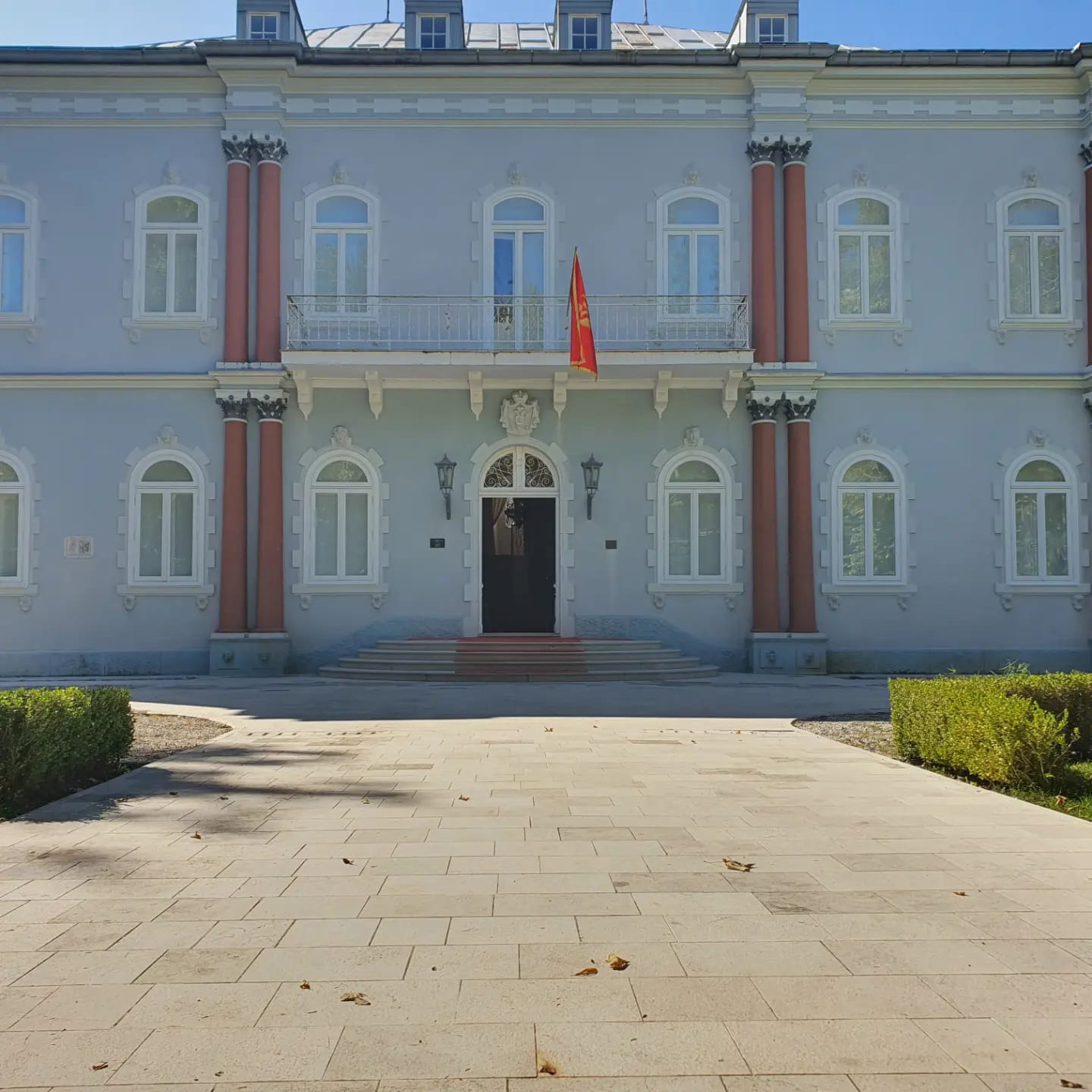
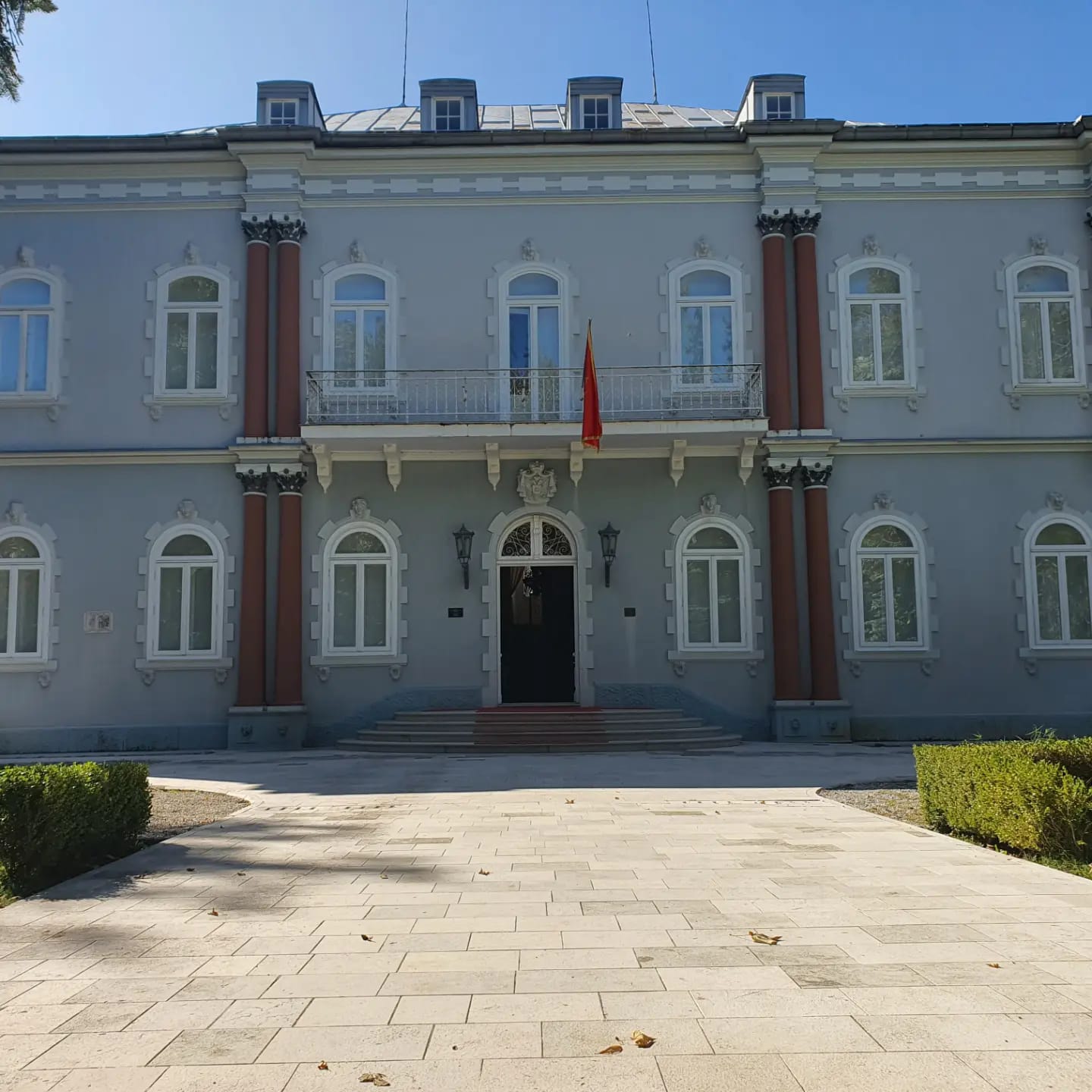
One of the most distinctive features of Cetinje is its collection of historic diplomatic buildings.
When Cetinje served as Montenegro’s capital, several European countries established diplomatic missions here. Their former embassy buildings still stand as architectural reminders of Montenegro’s international relationships and royal past.
The Former French Embassy
The former French Embassy is among the city’s most recognisable historic buildings. Its distinctive architectural design stands out from many of the surrounding structures, giving it a character all its own.
A popular local story suggests that architectural plans intended for a French diplomatic building in Egypt were mistakenly sent to Cetinje, resulting in an unusual design for the embassy.
Whether or not the story is historically accurate, it adds an intriguing layer to the building’s identity. It is a wonderful example of how local legends and historic architecture can become part of a city’s cultural character.
The Former British Embassy
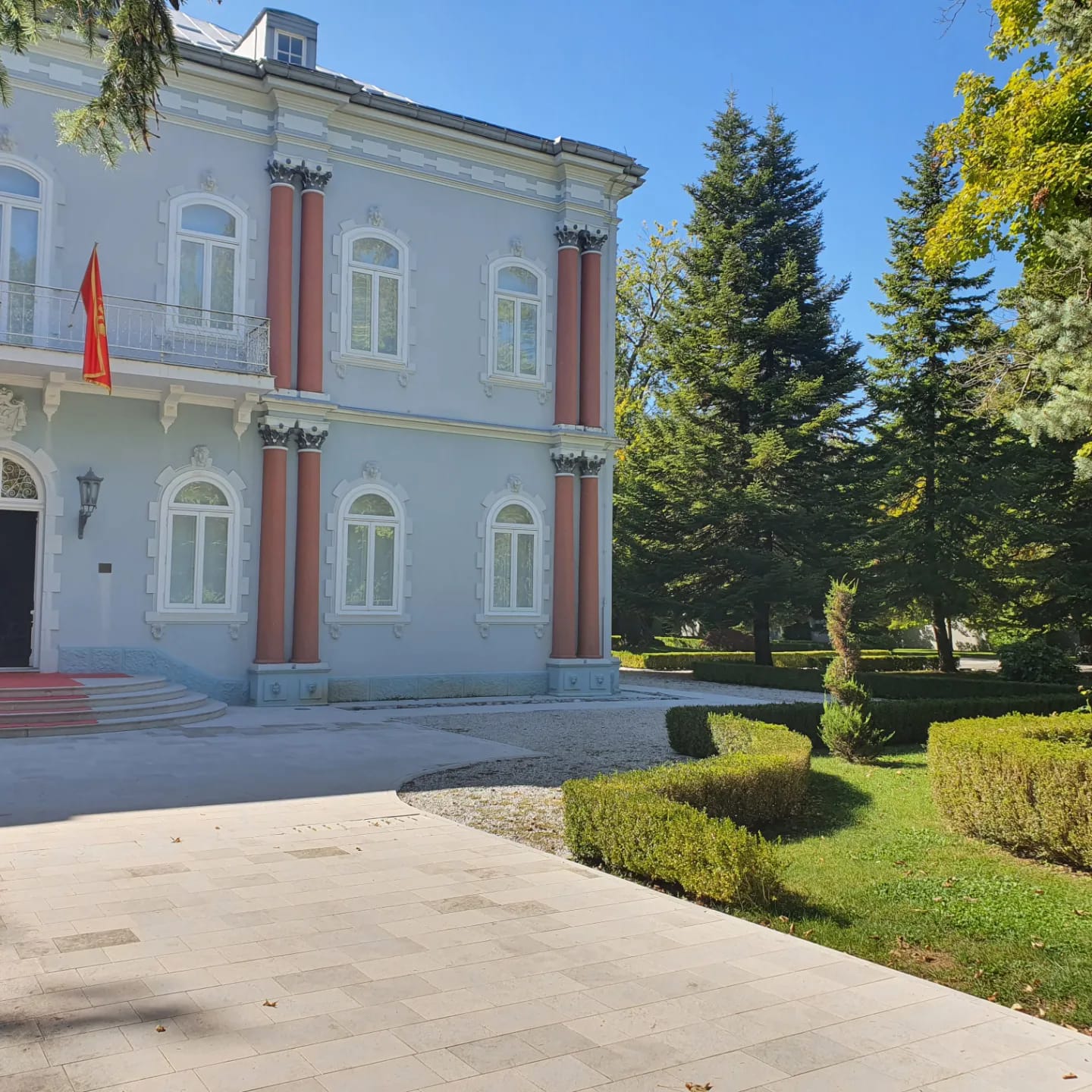
Another notable landmark is the former British Embassy, located close to one of the city’s green spaces.
Like the former French diplomatic building, it reflects Cetinje’s importance during the royal era, when diplomatic representation played a significant role in the city’s life.
As you walk between these historic buildings, take time to read the information plaques. They help bring the architecture to life and explain how the buildings were used throughout different periods.
For visitors interested in European history, diplomacy and architecture, this quiet part of Cetinje offers a fascinating glimpse into Montenegro’s royal past.
The Money Museum is A Small Museum with a Remarkable Story of Montenegrin Bank.
Sometimes, the most memorable discoveries are found in places you could easily walk past.
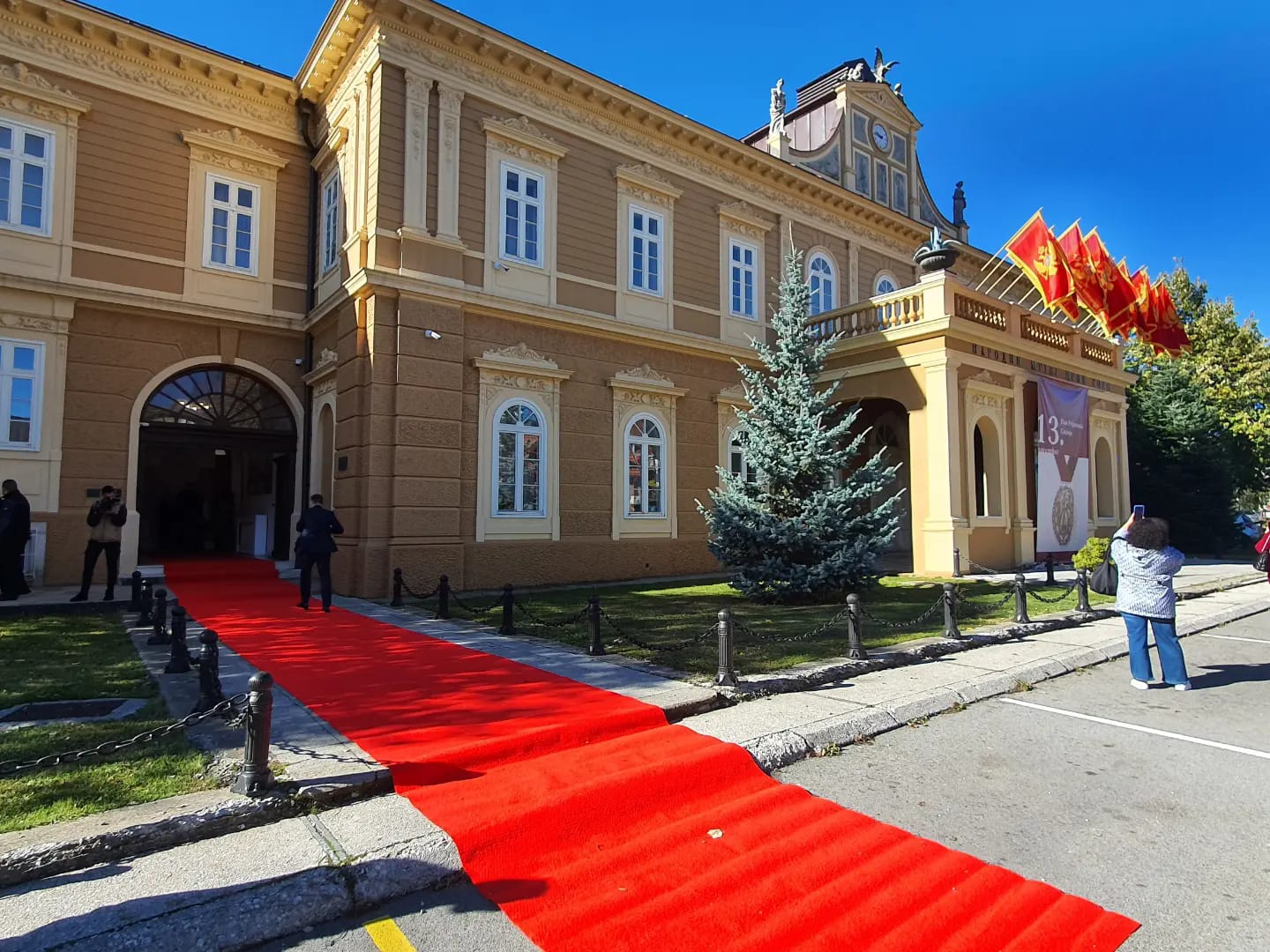
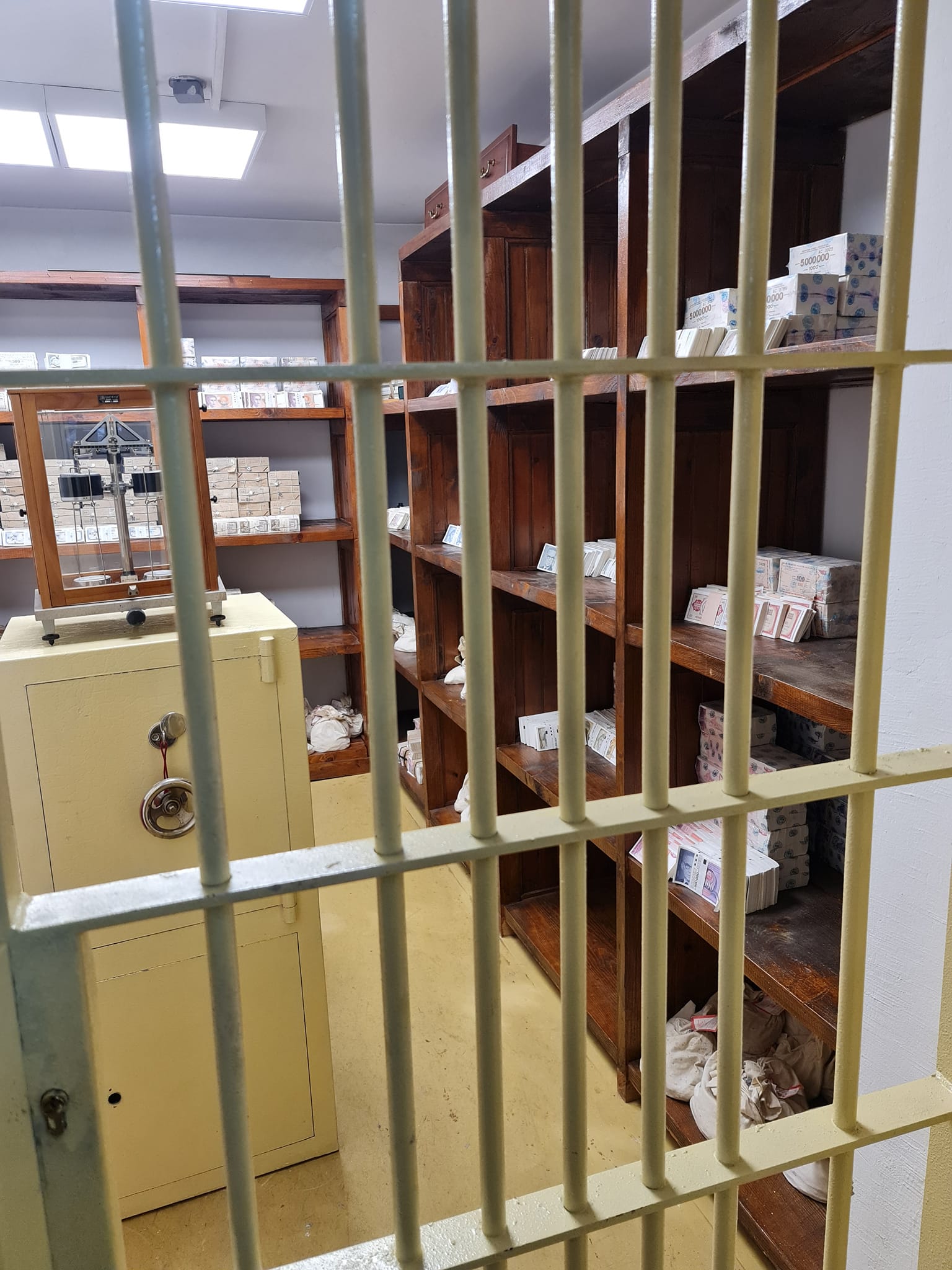
The Money Museum in Cetinje, housed in the former building of the Montenegrin Bank, offers a fascinating look at the country’s financial history.
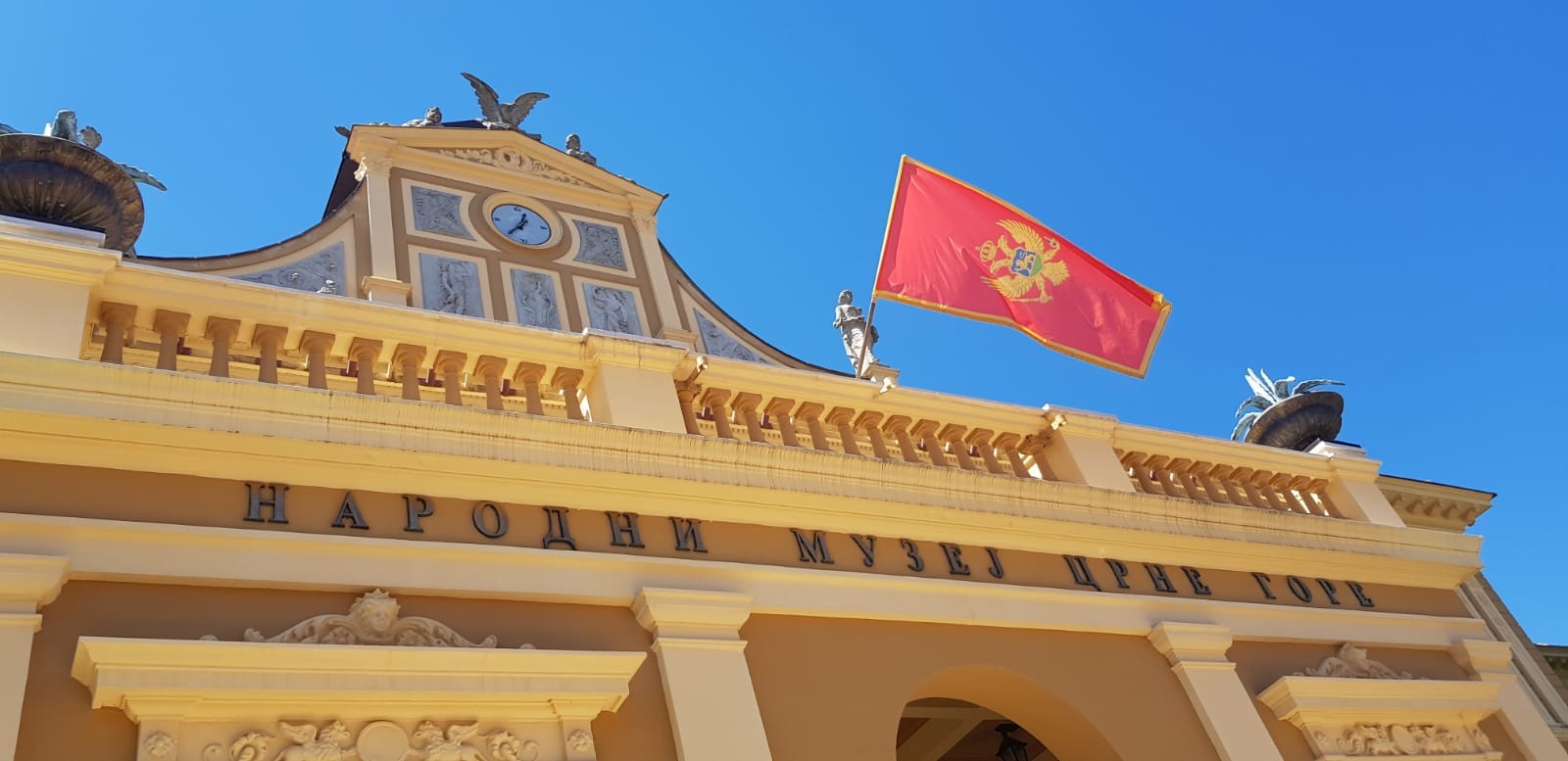
The historic façade still carries the inscription Crnogorska Banka in both Latin and Cyrillic lettering. Inside, the atmosphere feels wonderfully connected to another time.
The former banking counter, historic equipment, printing machinery and old bank vault provide a glimpse into the world of traditional banking. Displays of coins and banknotes tell the story of Montenegro through changing political eras, monetary systems and national symbols.
The museum is relatively small, making it an easy addition to a walking tour of the city. Its appeal lies not in its size, but in the opportunity to explore an unusual part of Montenegro’s history.
For curious travellers, it is a reminder that a nation’s story can be told not only through its Kings and battles, but also through the money its people used.
Visitor tip Check the current opening hours and access arrangements before visiting.
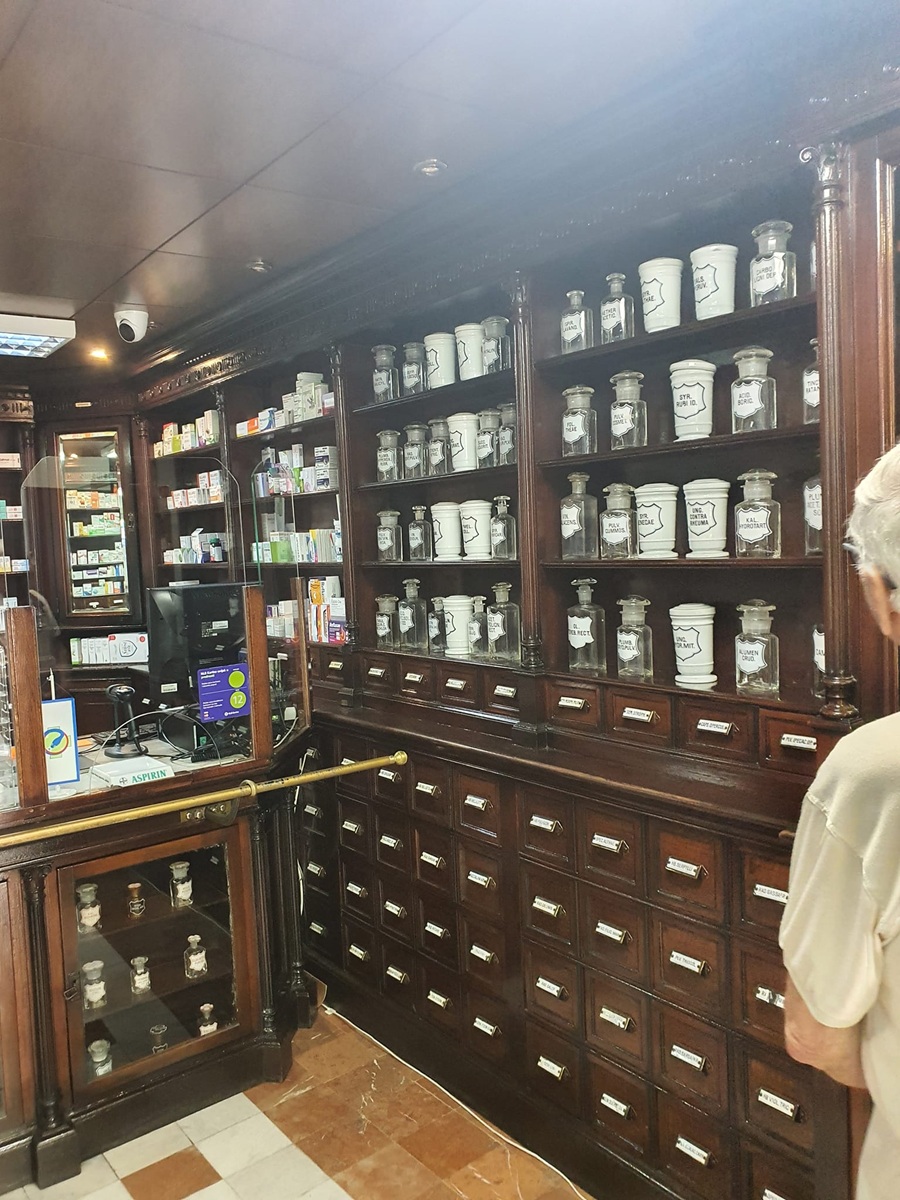
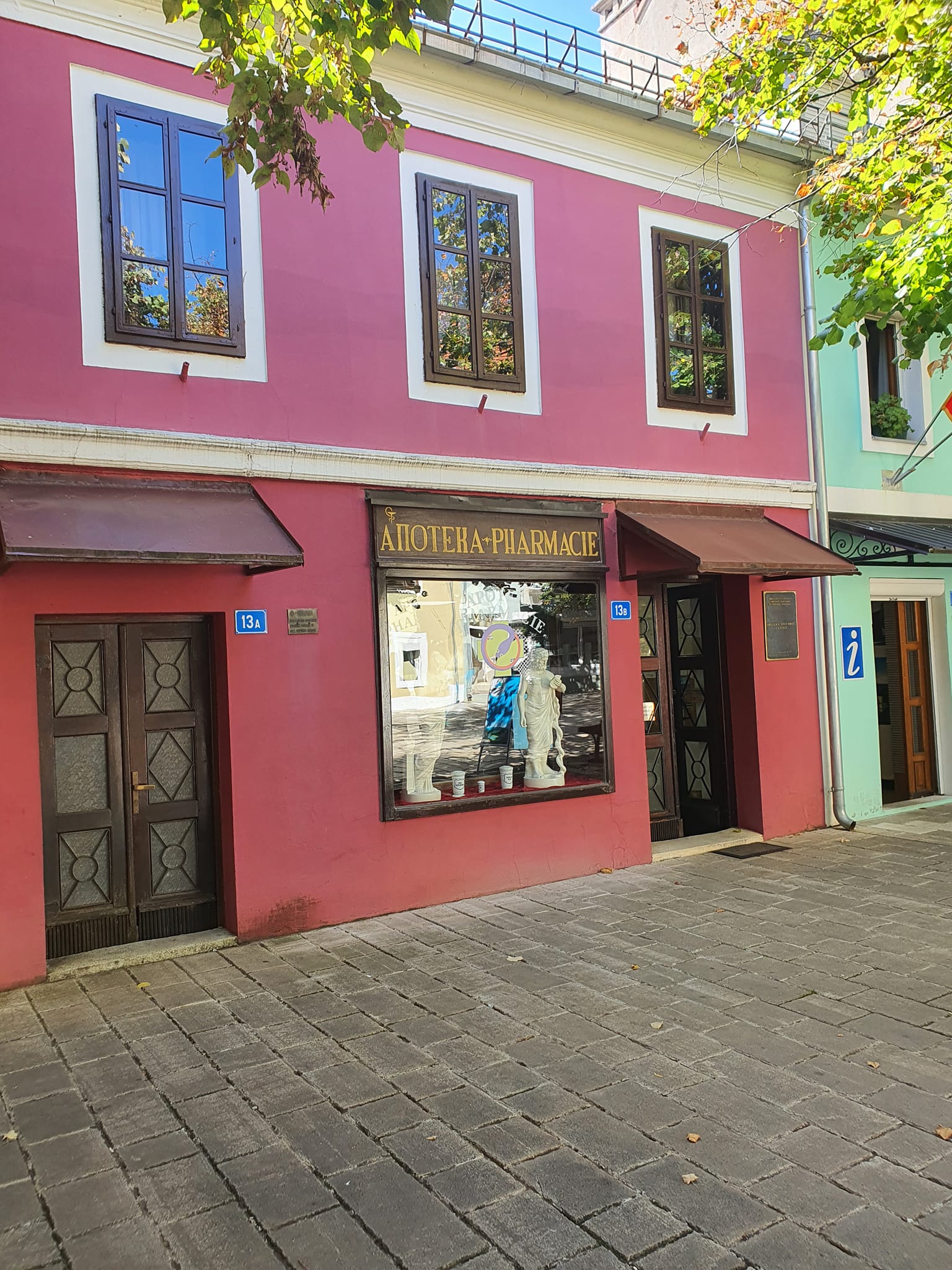
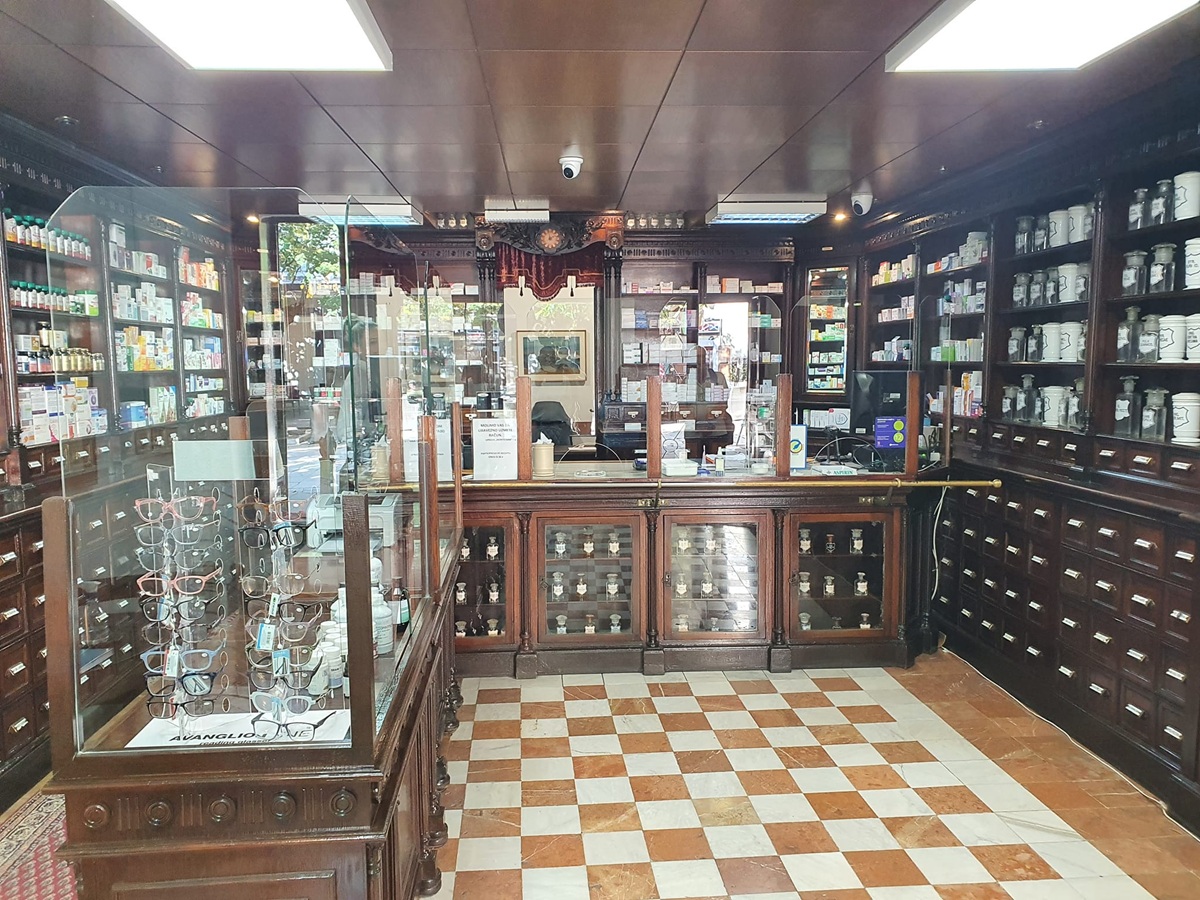
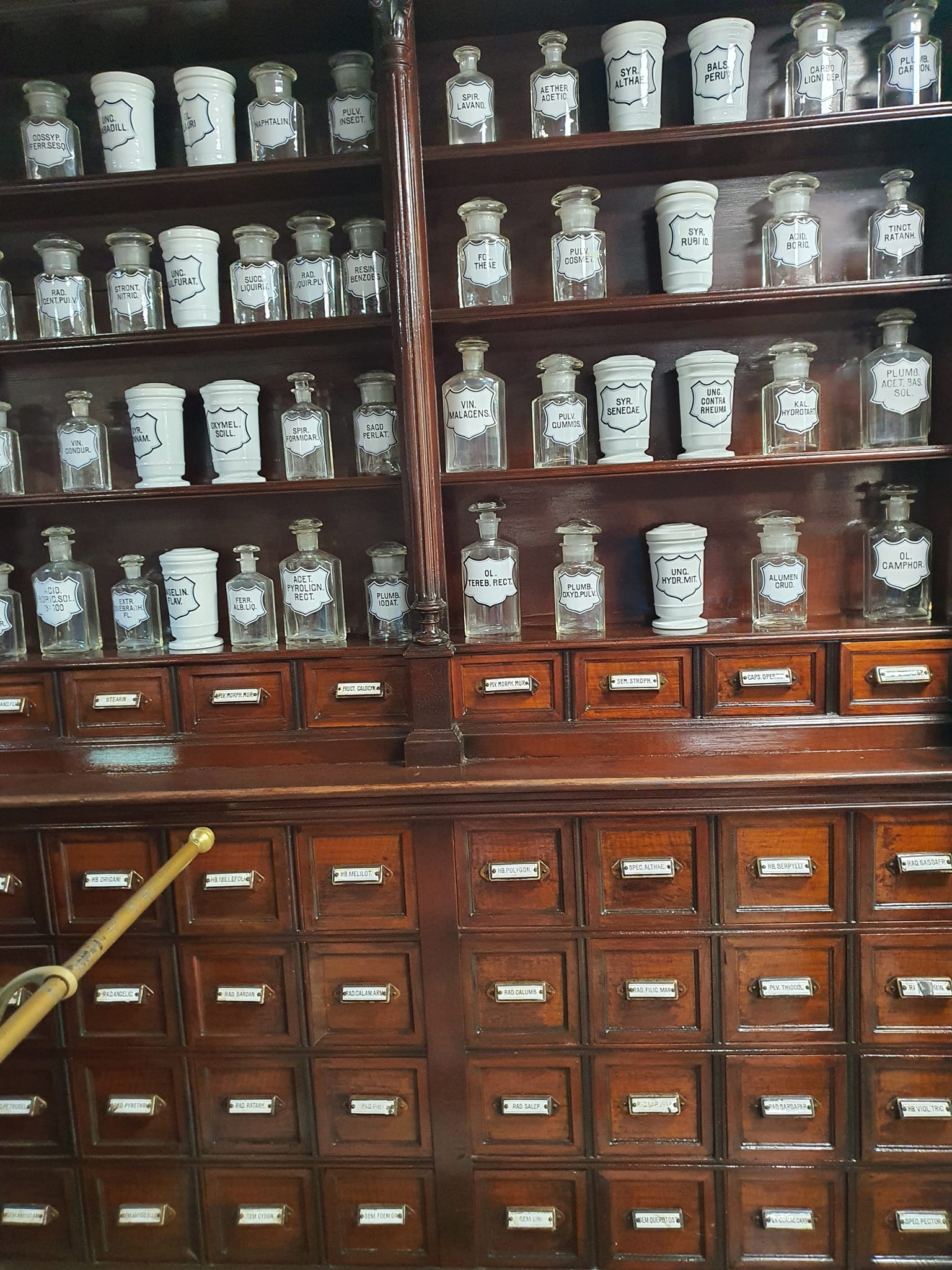
The Old Pharmacy A Glimpse into Another Century is the first in Kingdom of Montenegro.
Not every historic landmark is a museum. Some are still part of everyday life.
The historic State Pharmacy of Cetinje, commonly known as Državna Apoteka Cetinje, is a particularly charming example.
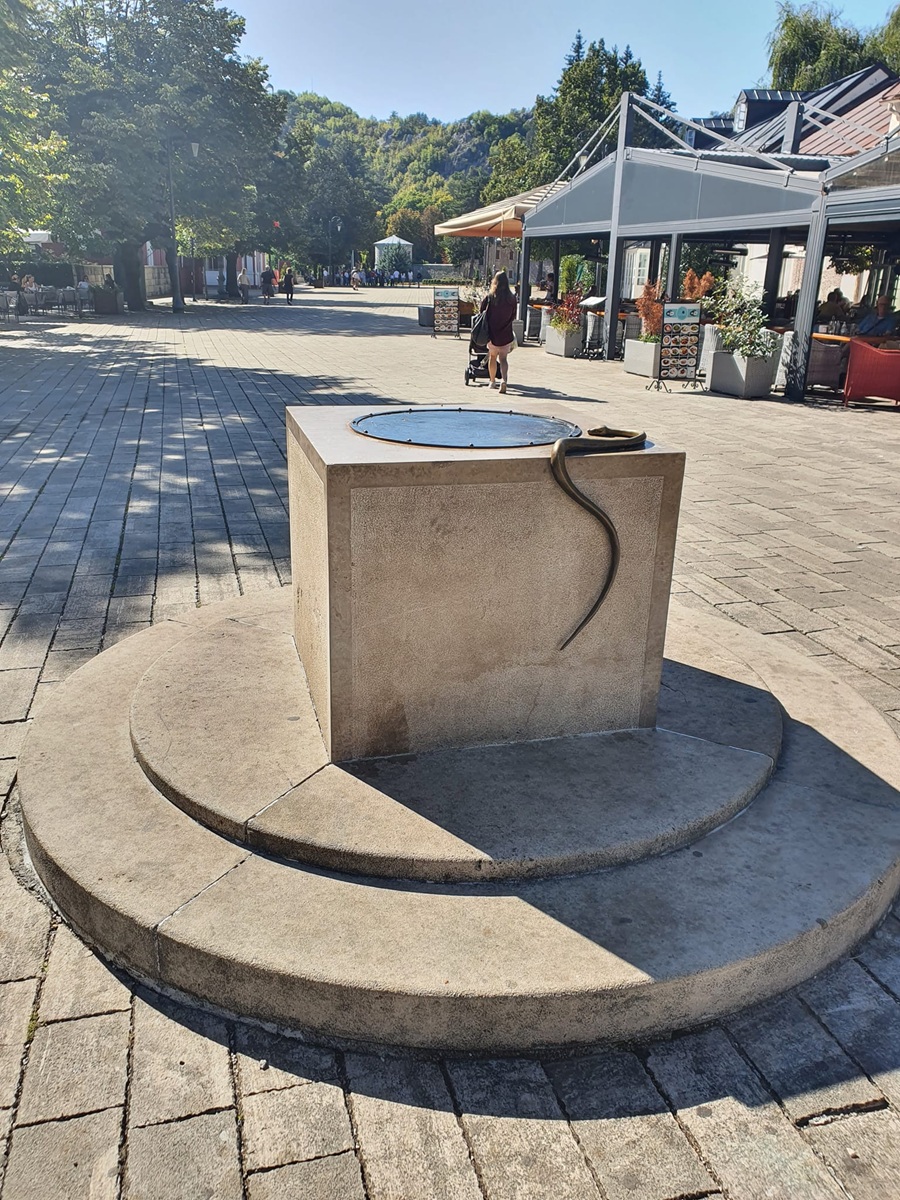
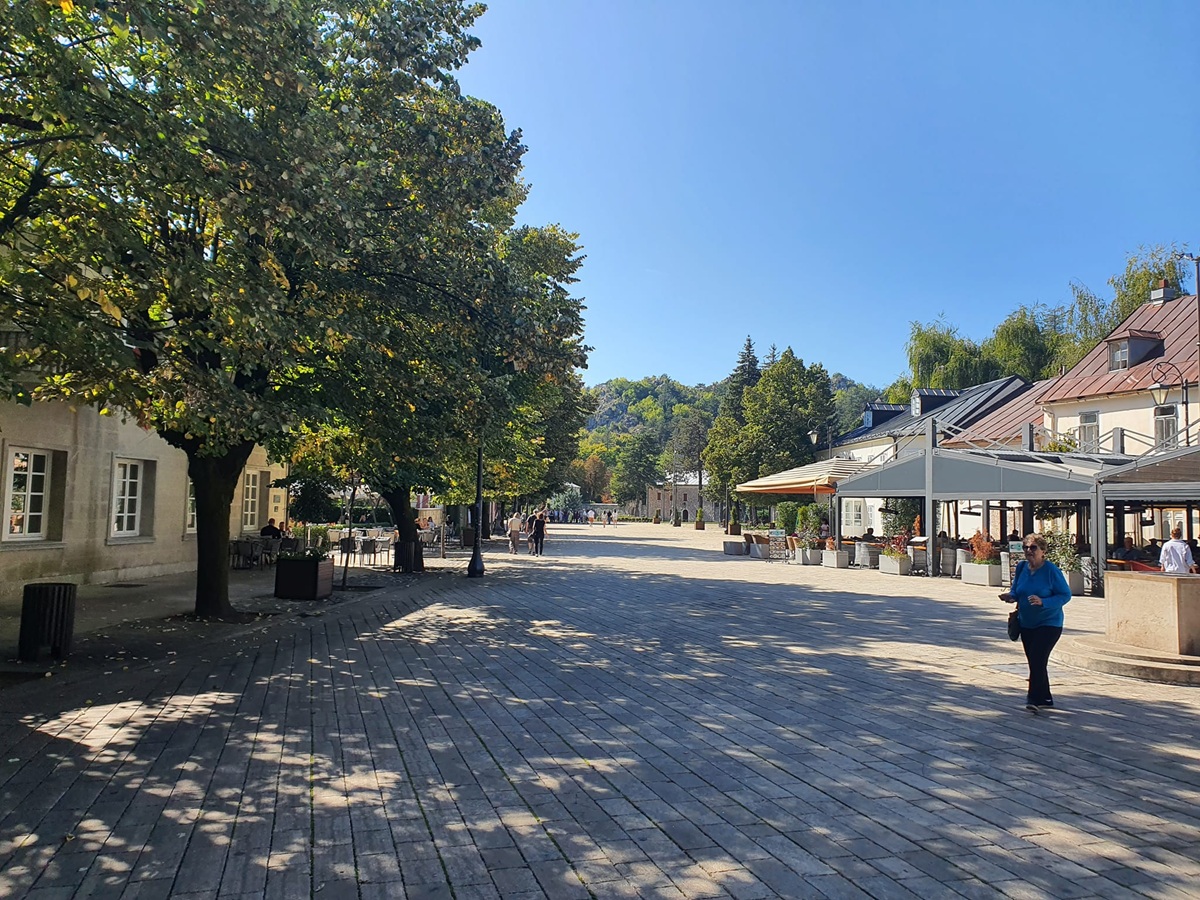
Located along the pedestrian area, this pharmacy is known for its traditional appearance and its connection to the city’s past. Its old fashioned counter, rows of drawers and glass bottles evoke the atmosphere of an earlier era.
Rather than being a conventional tourist attraction, it offers something more subtle a chance to encounter history in a living urban setting.
If you are exploring Cetinje on foot, look for the pharmacy and appreciate its traditional character. Please remember that it is a working pharmacy, not a museum, so any visit should respect the privacy and needs of its customers.
King Nikola’s Palace is a Step into the Royal World of Kingdom of Montenegro
A visit to Cetinje would not be complete without discovering King Nikola’s Palace.
The former residence of King Nikola I Petrović Njegoš offers a window into the life of Montenegro’s royal family and the country’s transformation during the late 19th and early 20th centuries.
Inside, visitors can explore historic rooms, period furnishings, portraits and objects associated with the royal household. The interiors help recreate the atmosphere of a royal residence and provide insight into the ceremonial and diplomatic life of the kingdom.
The palace also connects visitors with the wider story of Montenegro’s relationships with other European powers. Portraits and historical displays reflect the important figures and events that shaped the country’s past.
For anyone interested in royal history, King Nikola’s Palace is one of Cetinje’s essential cultural attractions.
Biljarda Museum Discover the Extraordinary Relief Map of Montenegro
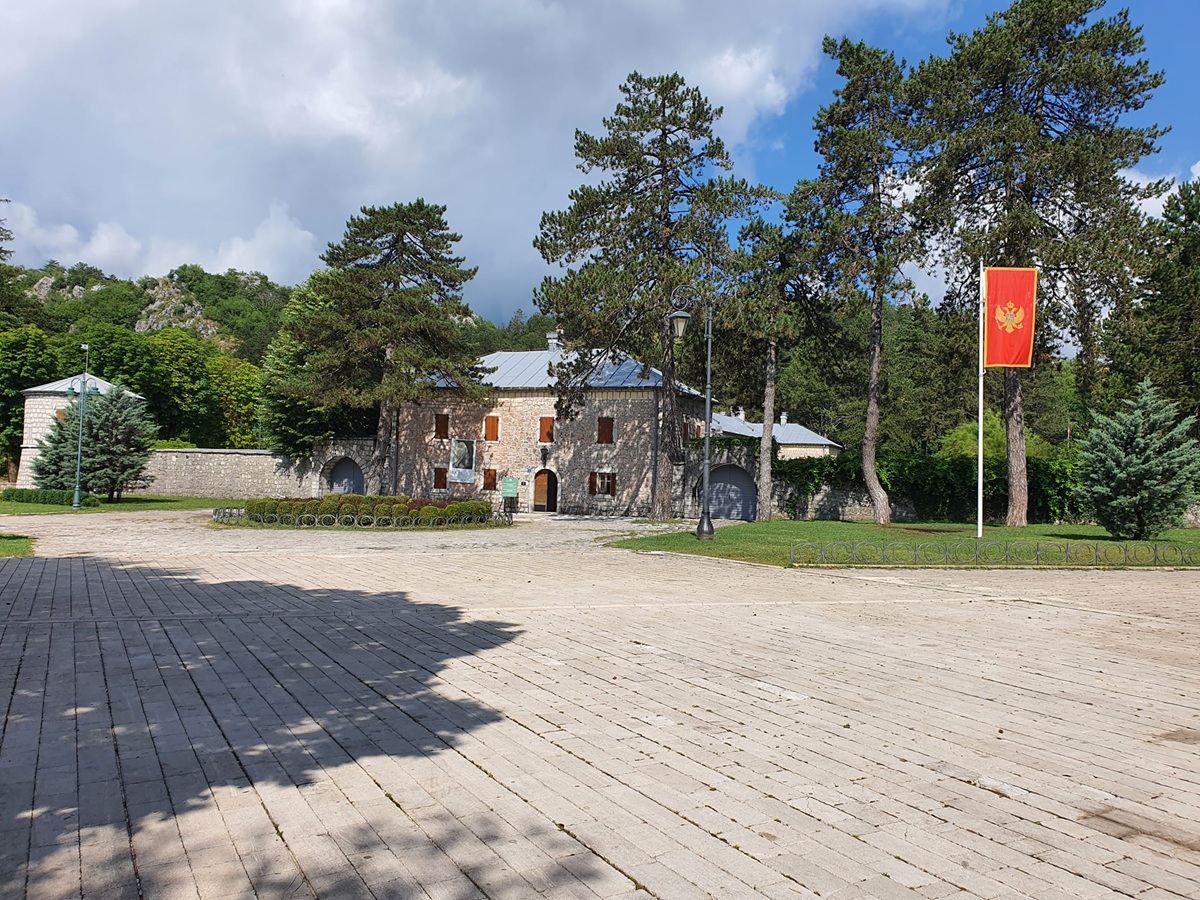
If there is one exhibit in Cetinje that deserves special attention, it is the remarkable three dimensional relief map of Montenegro housed in the Biljarda complex.
The Biljarda was closely associated with Petar II Petrović Njegoš, one of Montenegro’s most important historical and literary figures. Today, the complex forms part of the city’s rich museum heritage.
The relief map, created during the Austro Hungarian period for military and strategic purposes, represents Montenegro’s rugged landscape in extraordinary detail.
Mountains, valleys, settlements, rivers and deep canyons appear in three dimensions, helping visitors understand the geography that has shaped the country’s history.
Montenegro’s mountainous terrain played a major role in its military history, influencing movement, defence and the challenges faced by outside powers seeking to control the region.
The map is especially fascinating if you have already travelled around Montenegro. You may recognise the dramatic terrain of the Bay of Kotor, the Lovćen mountain range, Lake Skadar and the Tara Canyon.
Seeing these familiar landscapes represented together makes it easier to appreciate the extraordinary geography of this small Balkan country.
For us at IL NAUTICS Lux Limo Service, this is one of the most rewarding ways to connect the places you visit with the history behind them.
Our recommendation If you visit only a few museums in Cetinje, make sure Biljarda is on your list.
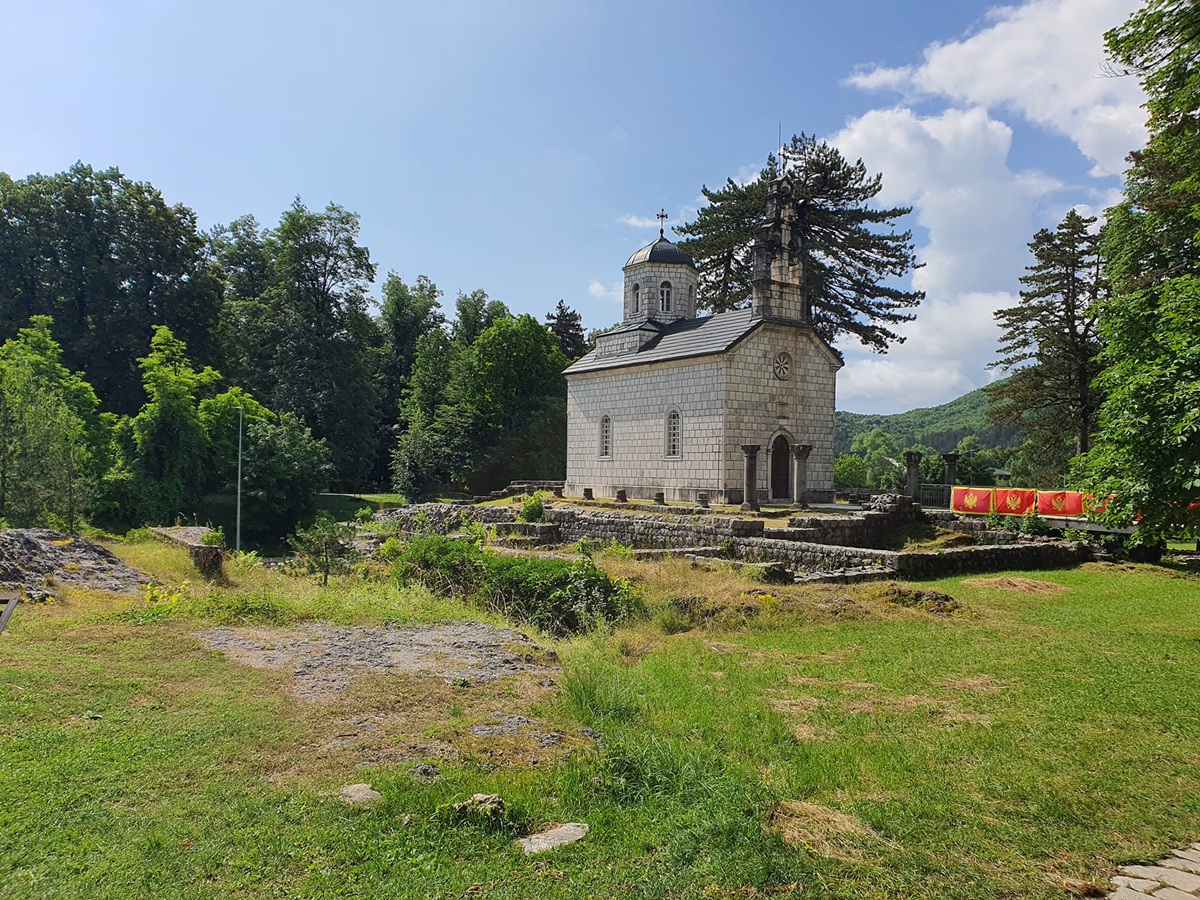
Cetinje Monastery is A Spiritual Landmark of Montenegro
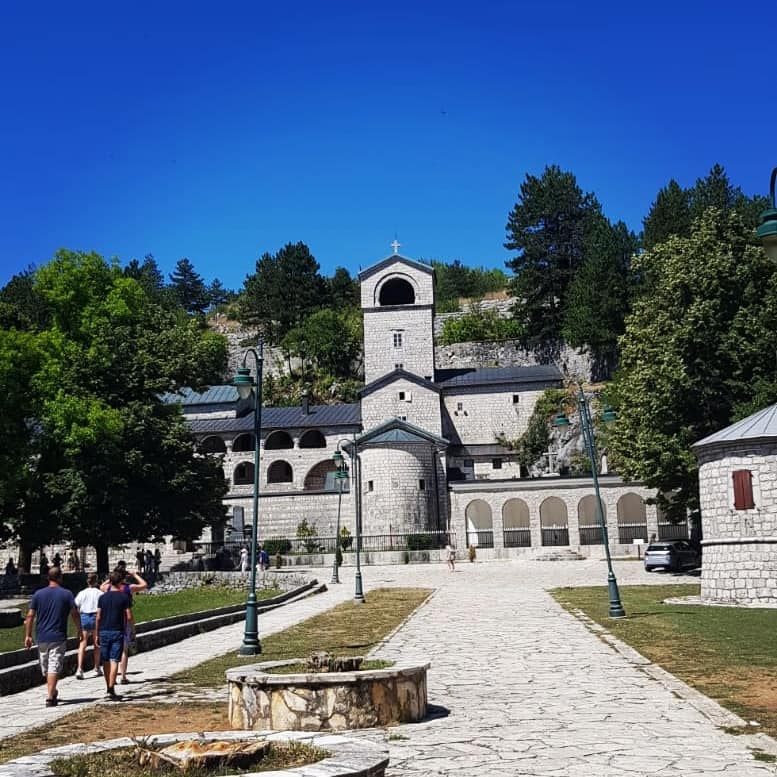
Cetinje Monastery is one of the city’s most important religious and historical landmarks.
Located in the historic centre, the monastery has long played a central role in Montenegrin spiritual and cultural life. Closely associated with the country’s Orthodox Christian heritage, it remains a place of religious significance as well as a point of interest for visitors exploring the Royal Capital.
The monastery’s peaceful setting provides a welcome contrast to the busier coastal destinations. Its architecture and history reflect the resilience of Montenegro’s religious institutions through periods of conflict and political change.
Visitors should dress respectfully and follow any restrictions on photography or access to religious areas.
From here, you can continue your exploration on foot, discovering the surrounding streets, historic buildings and green spaces that give Cetinje its distinctive character.
The Tomb of Danilo I is A Quiet Walk Above the City
For those who enjoy discovering places away from the usual tourist routes, the historic tomb of Danilo I Petrović Njegoš offers a rewarding excursion.
Set in a peaceful natural environment near Cetinje, the site provides an opportunity to combine history with a gentle walk and beautiful views of the surrounding landscape.
The route takes you away from the city’s main streets and into a quieter setting, where trees, birdsong and mountain scenery create a different atmosphere from that of the historic centre.
Depending on the route and access conditions, the walk includes an uphill section, so comfortable footwear is recommended.
The surrounding area rewards visitors who take their time. Benches and scenic viewpoints make it a pleasant place to pause, while the landscape offers excellent opportunities for photography.
Nearby, a small outdoor amphitheatre adds another interesting feature to the area.
For travellers who appreciate peaceful places, local history and nature, this is a lovely addition to a day in Cetinje.
Visitor tip Confirm the current walking route and access to the tomb locally before setting out.
Mount Lovćen National Park Nature on Cetinje’s Doorstep
Cetinje is an excellent starting point for discovering Lovćen National Park, one of Montenegro’s most significant natural and cultural landscapes.
Rising above the surrounding countryside, Mount Lovćen is closely connected with the country’s national identity. Its mountain scenery, forests, walking paths and panoramic viewpoints make it a favourite destination for travellers seeking fresh air and outdoor experiences.
The park offers a different perspective on Montenegro from the coastline. Instead of beaches and marinas, you will discover rugged mountain terrain, wooded slopes and sweeping views across the landscape.
The Wolf Trail is A Different Way to Explore Lovćen
For travellers looking for a quieter outdoor experience, the Wolf Trail is worth exploring.
It offers an alternative to the park’s better known viewpoints and may appeal to visitors who prefer a nature walk away from the busiest tourist areas.
Trail conditions, route length and difficulty should always be checked before departure, as they can vary depending on the chosen section and current conditions. Even an apparently easy mountain walk requires suitable footwear, water and weather appropriate clothing.
If you enjoy combining cultural sightseeing with nature, Lovćen makes Cetinje an especially attractive destination for a longer stay.
Lipa Cave is An Underground Adventure Near Cetinje
Just a short drive from Cetinje, Lipa Cave offers one of Montenegro’s most memorable natural attractions.
This impressive cave system features stalactites, stalagmites, underground chambers and formations created over thousands of years.
The organised visitor experience typically includes a short train ride to the cave entrance and a guided walk through sections of the underground galleries. Guided tours are generally available in English, subject to the schedule and season.
Inside, the atmosphere is cool, making a light jacket or an extra layer a sensible choice, even during the summer months.
The guided tour offers insight into the cave’s geology, its underground formations and the natural processes that continue to shape its interior. Water plays an important role in the cave, and the sight of droplets falling onto the rock formations provides a fascinating illustration of how these underground landscapes develop.
The standard guided visit is suitable for many families and casual visitors, while more demanding adventure routes may be available for those seeking a longer underground experience. Availability, duration and access requirements vary, so check the current options before booking.
Lipa Cave
Lipa Cave is an excellent addition to a day in Cetinje, particularly for families and travellers who want to balance museums and historic buildings with an unforgettable natural attraction.
Visitor tip Check tour times in advance, as schedules vary throughout the year. If you are travelling by car, allow time for the journey and parking , must be there 45 min before the tour.
Why Stay in Cetinje Instead of Visiting Only for the Day?
Many travellers discover Cetinje on a short excursion from the coast. However, the city can also be an excellent base for a longer stay.
Compared with the lively atmosphere of Budva or the internationally famous streets of Kotor, Cetinje is quieter and less focused on conventional resort tourism. That is precisely what makes it appealing to certain travellers.
Staying overnight gives you more time to explore the museums, discover the former embassies, enjoy a relaxed meal and venture into the surrounding mountains without rushing.
Its location also makes it a useful starting point for exploring Lovćen National Park, Lipa Cave and other attractions in central and coastal Montenegro.
For history enthusiasts, nature lovers and travellers who prefer a more relaxed pace, spending a night or two in Cetinje can add a different dimension to a Montenegro itinerary.
You do not need a packed schedule here. Some of the city’s greatest pleasures come from walking its historic streets, noticing the details of its architecture and discovering places that might otherwise be overlooked.
Discover Cetinje with IL NAUTICS Lux Limo Service
At IL NAUTICS Lux Limo Service, we believe that the best travel experiences combine comfort, flexibility and a genuine connection with the destination.
Cetinje is an ideal place to explore with time to spare. Whether you are interested in royal history, fascinating museums, mountain scenery or a relaxed café stop, the city offers a rewarding alternative to Montenegro’s busier tourist centres.
With private transportation and tailor made travel experiences, IL NAUTICS Lux Limo Service can help you discover Cetinje and connect it with other highlights of Montenegro, including Kotor, Budva, Lovćen National Park, Podgorica, Skadar Lake National Park and the surrounding Adriatic coast.
Enjoy the journey at your own pace, explore beyond the familiar tourist routes and discover a side of Montenegro that many visitors miss.
Cetinje Montenegro’s Royal Past, Waiting to Be Discovered
Cetinje may not have the beaches of Budva or the dramatic waterfront setting of Kotor, but it offers something equally valuable: a deeper understanding of Montenegro.
From former royal residences and historic embassies to fascinating museums, peaceful walking paths and the natural wonders of Lovćen and Lipa Cave, the Royal Capital rewards travellers who take the time to look beyond the obvious.
It is a destination for those who appreciate the stories behind the places they visit, the beauty of a quieter mountain town and the feeling of stepping into another chapter of history.
Discover Cetinje with IL NAUTICS Lux Limo Service and Explore Montenegro Beyond the Ordinary.
Contact IL NAUTICS Lux Limo Service to plan your private transfer, organise a sightseeing excursion or create a personalised journey through Montenegro’s historic towns, spectacular landscapes and hidden gems.
City of Cetinje – Old Royal Capital (1)
City of Cetinje – Old Royal Capital (2)
City of Cetinje – Old Royal Capital (3)
City of Cetinje – Old Royal Capital (4)
City of Cetinje – Old Royal Capital (5)
City of Cetinje – Old Royal Capital (8)
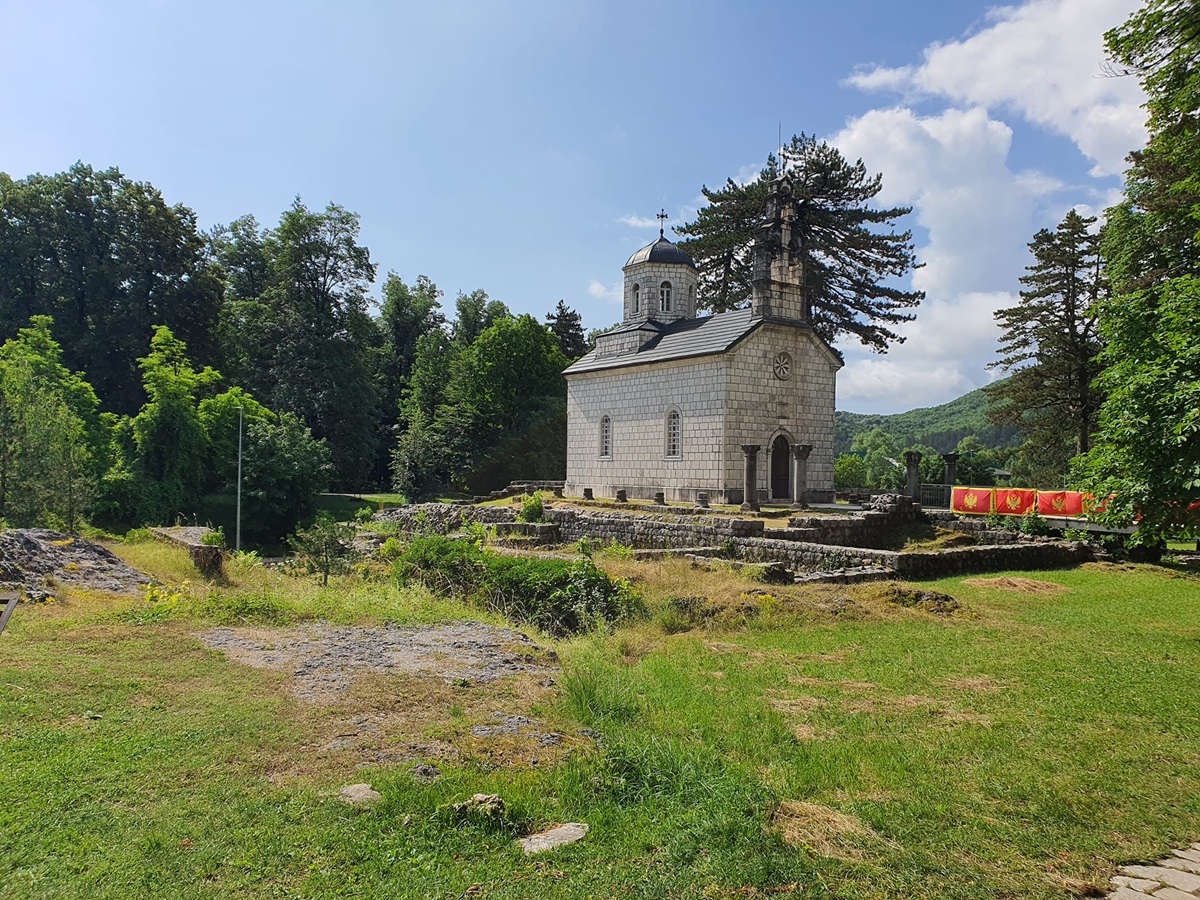
City of Cetinje – Old Royal Capital (10)
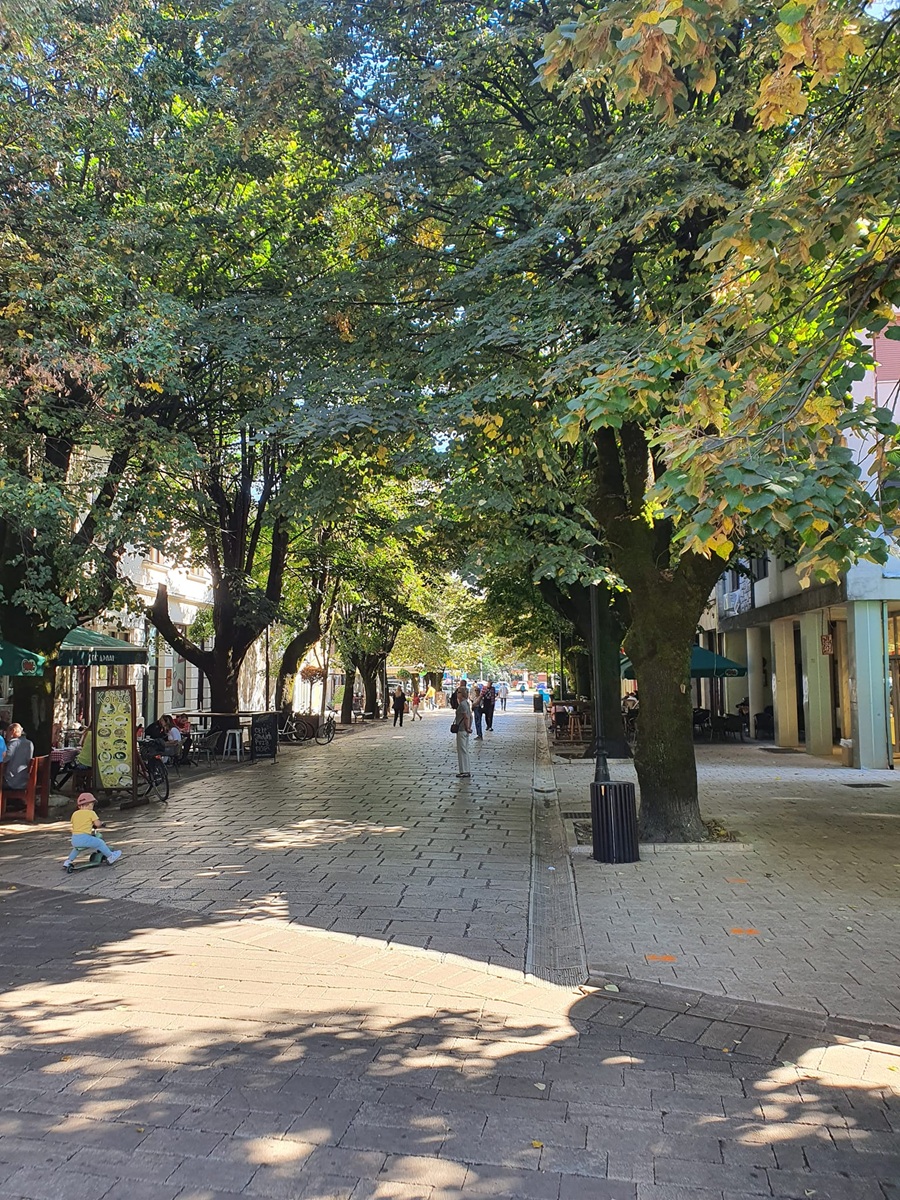
City of Cetinje – Old Royal Capital (11)
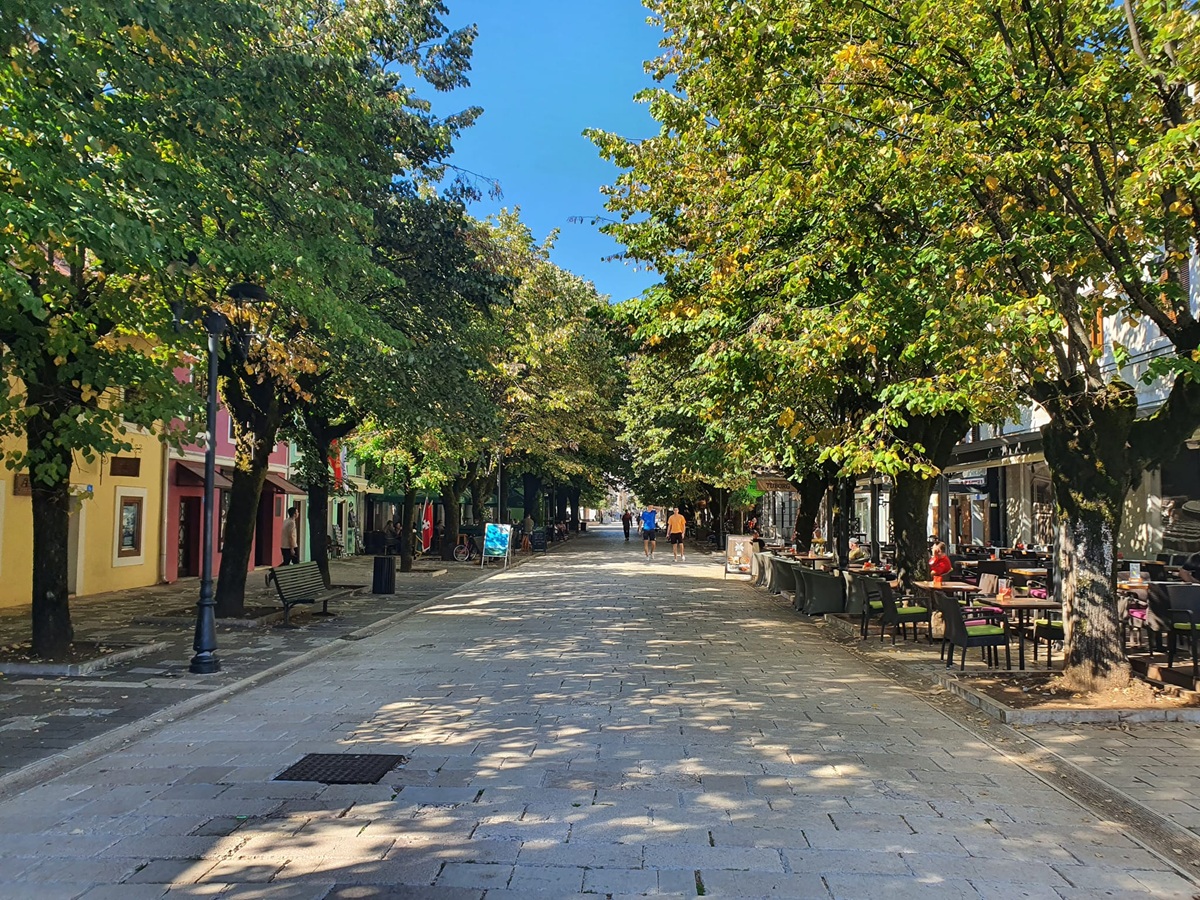
City of Cetinje – Old Royal Capital (12)
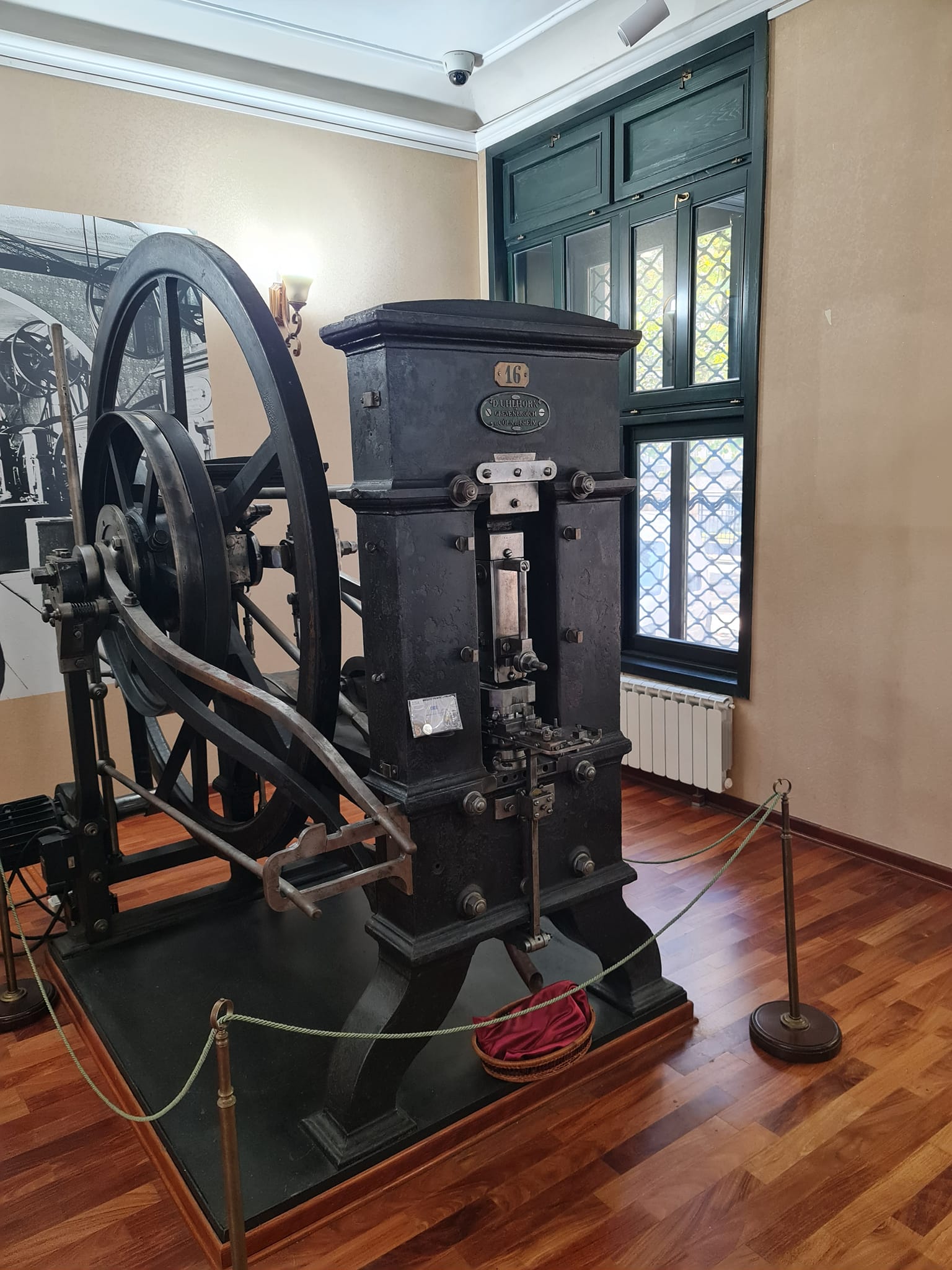
City of Cetinje – Old Royal Capital (13)
City of Cetinje – Old Royal Capital (14)
City of Cetinje – Old Royal Capital (16)
City of Cetinje – Old Royal Capital (17)
City of Cetinje – Old Royal Capital (19)
City of Cetinje – Old Royal Capital (21)
City of Cetinje – Old Royal Capital (22)
City of Cetinje – Old Royal Capital (23)